
Common Appliance Problems in Boston Homes
When a refrigerator stops cooling in a third-floor Dorchester triple-decker in the middle of August, there is no waiting it out. The unit is wedged between cabinets in a galley kitchen barely wide enough to open the door all the way, and every hour without cold air means spoiled food. That kind of urgency is routine here — Boston's compact, older housing stock puts appliances under pressure in ways that newer suburban layouts simply do not.
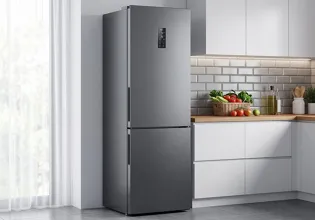
- Refrigerators cycling constantly or not holding temperature — often traced to dusty condenser coils in a tight cabinet alcove with almost no airflow behind the unit.
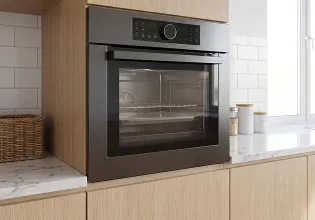
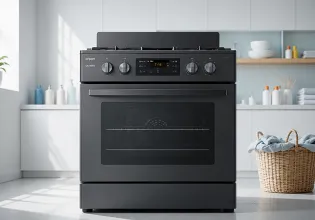
- Gas stoves with igniter problems or uneven burner flames. In older buildings, the gas shutoff valve may be corroded or hard to reach behind the range.
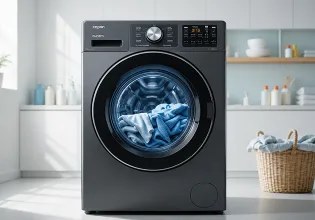
- Washers that leak or refuse to drain, especially in basement laundry areas where the drain hose connects to aging cast-iron standpipes.
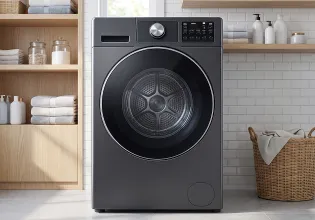
- Dryers running full cycles without producing heat — worth checking whether the exhaust vent is clogged, particularly when the vent run passes through a long basement corridor before exiting the building.
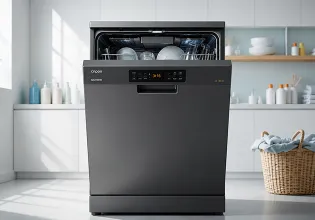
- Dishwashers leaving dishes dirty or pooling water at the bottom. We usually see this when a garbage disposal knockout plug was never removed during installation, or when the drain hose lacks a proper high loop.
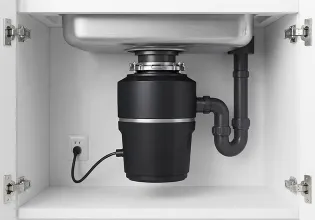
- Garbage disposals that jam or hum without spinning — sometimes a foreign object, sometimes a seized flywheel on a unit that sat unused in a rental between tenants.
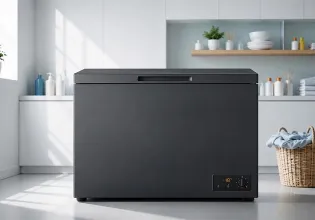
- Freezers building excessive frost or warming into the danger zone, often in older chest freezers tucked into unheated porches or back hallways.
Local Utility, Permit, Safety, and Disposal Factors in Boston
If a repair job turns into a replacement, or if an installation requires new gas, plumbing, or electrical connections, Boston has specific rules you should know about before anyone starts work.
Gas appliances get the most scrutiny. A Boston gas fitting permit is required before any gas stove, oven, or dryer is installed or replaced. Only a Massachusetts-licensed gas fitter can pull that permit — homeowners cannot do it themselves, and neither can an unlicensed handyman. After the work is done, the Boston Inspectional Services Department conducts an inspection to verify the installation is safe. Skipping this step can result in fines and mandatory remediation. So before you sign off on a new gas range, ask the installer to confirm they will handle the permit and schedule the inspection.
Plumbing permits come into play when a new dishwasher, washing machine, or garbage disposal installation changes the water supply or drain lines. Under the Massachusetts plumbing and gas fitting code, only a licensed plumber can perform that work. If your repair technician says the dishwasher just needs a new pump or motor, that is a straightforward fix. But if the drain line has to be rerouted or a new water supply valve added, the job crosses into permitted territory. Ask before assuming.
Electrical permits apply when a new circuit is needed — say, upgrading from a standard outlet to a dedicated 20-amp line for a newer dishwasher. The Inspectional Services Department handles those as well.
Fire safety ties directly into appliance maintenance. According to Boston Fire Department fire prevention, cooking is the leading cause of home fires in the city. A malfunctioning stove igniter or a faulty oven thermostat is not just an inconvenience — it is a safety issue. The Fire Department also advises regular dryer vent cleaning to prevent lint fires, and the Massachusetts fire safety code sets requirements for dryer exhaust duct material and length. In a multifamily building where a dryer vent snakes through shared walls and a long basement corridor, that matters more than in a detached house with a short, straight vent run.
Carbon monoxide detectors are required on every habitable level of Boston residences under Massachusetts law. If you have a gas stove, gas dryer, or any fuel-burning appliance, make sure your detectors are working — especially after any repair or replacement involving gas lines.
On the water side, Boston's supply comes from the Quabbin and Wachusett Reservoirs through the Massachusetts Water Resources Authority. The water is relatively soft compared to many US cities, which means dishwashers and washing machines here tend to accumulate less mineral scale than in hard-water areas. That is good news for appliance longevity, but it does not eliminate the need for regular maintenance — soap residue and debris still build up in pump filters and spray arms. The Boston Water and Sewer Commission manages local water and sewer connections, and any plumbing modification that affects those connections may require coordination with BWSC.
What Makes Appliance Repair in Boston Different
Most of Boston's housing was not built with modern full-size appliances in mind. Beacon Hill row houses, North End walk-ups, and South Boston triple-deckers often have kitchens where a 36-inch refrigerator barely clears the doorframe, and getting a broken washer out of a basement means navigating a narrow bulkhead stairway. Technicians working in these buildings carry different tools and plan differently than they would in a suburb with wide hallways and attached garages. Access alone can turn a 45-minute job into a two-hour one.
Beyond the physical layout, Boston layers city-level permit enforcement on top of strict Massachusetts licensing requirements. In many surrounding towns, a simple appliance swap might go unnoticed by local authorities. In Boston, the Inspectional Services Department actively oversees gas, plumbing, and electrical permits — and unpermitted gas work can lead to fines and required remediation. That is a concrete difference from working in a smaller municipality where enforcement is lighter.
Appliance Replacement and Household Equipment Considerations in Boston
When a repair no longer makes financial sense — the compressor on a 15-year-old fridge, a cracked tub on a front-load washer — replacement brings its own set of steps in Boston.
You cannot put a large appliance out with your regular trash. The city does not accept refrigerators, stoves, washers, dryers, or dishwashers in normal curbside collection. Instead, you need to schedule a free pickup through the city's 311 system or online portal using the Boston bulk item pickup scheduling page. Items must be placed curbside on the scheduled day. If you are disposing of a refrigerator or freezer, the doors must be removed or secured shut before pickup — that is a safety requirement, not a suggestion. Appliances containing refrigerants also require special handling.
For the new unit coming in, think about what permits the installation will trigger. Swapping an electric stove for the same type on the same circuit usually does not require a permit. But switching from electric to gas means a licensed gas fitter has to run the line, pull a Boston gas fitting permit, and pass inspection. In a condo building, you may also need board approval and an elevator reservation just to get the old unit out and the new one in.
If the new appliance changes water or drain connections — adding a dishwasher where there was not one before, or relocating a washing machine hookup — a licensed plumber has to do the work under Massachusetts law. Homeowners here cannot legally perform their own gas fitting work, period. Check that any contractor you hire holds the right license before they start.
Boston Public Works Department
1 City Hall Square
Boston, MA 02201
Phone: 311
Official Website
Areas We Serve Throughout Boston
The city officially recognizes over 20 distinct neighborhoods, and we work across all of them. Here are some of the areas where we handle the most calls:
- Dorchester — The largest neighborhood by area, with a heavy mix of triple-deckers and multifamily homes. Basement laundry hookups with old iron drainpipes are common, and washer drain issues come up frequently.
- South Boston — Rowhouses and newer condo conversions sit side by side. We often find compact stackable washer-dryer units squeezed into closets with minimal vent clearance.
- Allston — High renter turnover means appliances get heavy use. Refrigerators and stoves in these apartments tend to need repair more often, and landlord coordination is usually part of the process.
- Back Bay — Brownstone kitchens can be elegant but narrow. Getting a full-size dishwasher through a hallway and past a tight corner takes careful measurement beforehand.
- Beacon Hill — Some of the oldest housing stock in the city. Gas stove repairs here sometimes reveal outdated shutoff valves that should be replaced while the unit is pulled out.
- Jamaica Plain — A mix of Victorian homes and apartment buildings. Dryer vent runs in older JP houses can be long and convoluted — worth inspecting if the dryer is taking two cycles to dry a load.
- East Boston — Dense multifamily housing with compact kitchens. Street parking for a service van can be a challenge, so we plan arrival times carefully.
- Charlestown — Older townhouses alongside newer waterfront condos. The townhouses often have original galley kitchens where appliance access is tight behind the unit.
- Roslindale — More single-family and two-family homes than the downtown neighborhoods. Basement freezer and laundry repairs are a regular part of our work here.
- Hyde Park — The southernmost neighborhood, with a suburban feel and more detached homes. Appliance access is usually easier, but older electrical panels sometimes need attention before a new range or dryer can be installed.